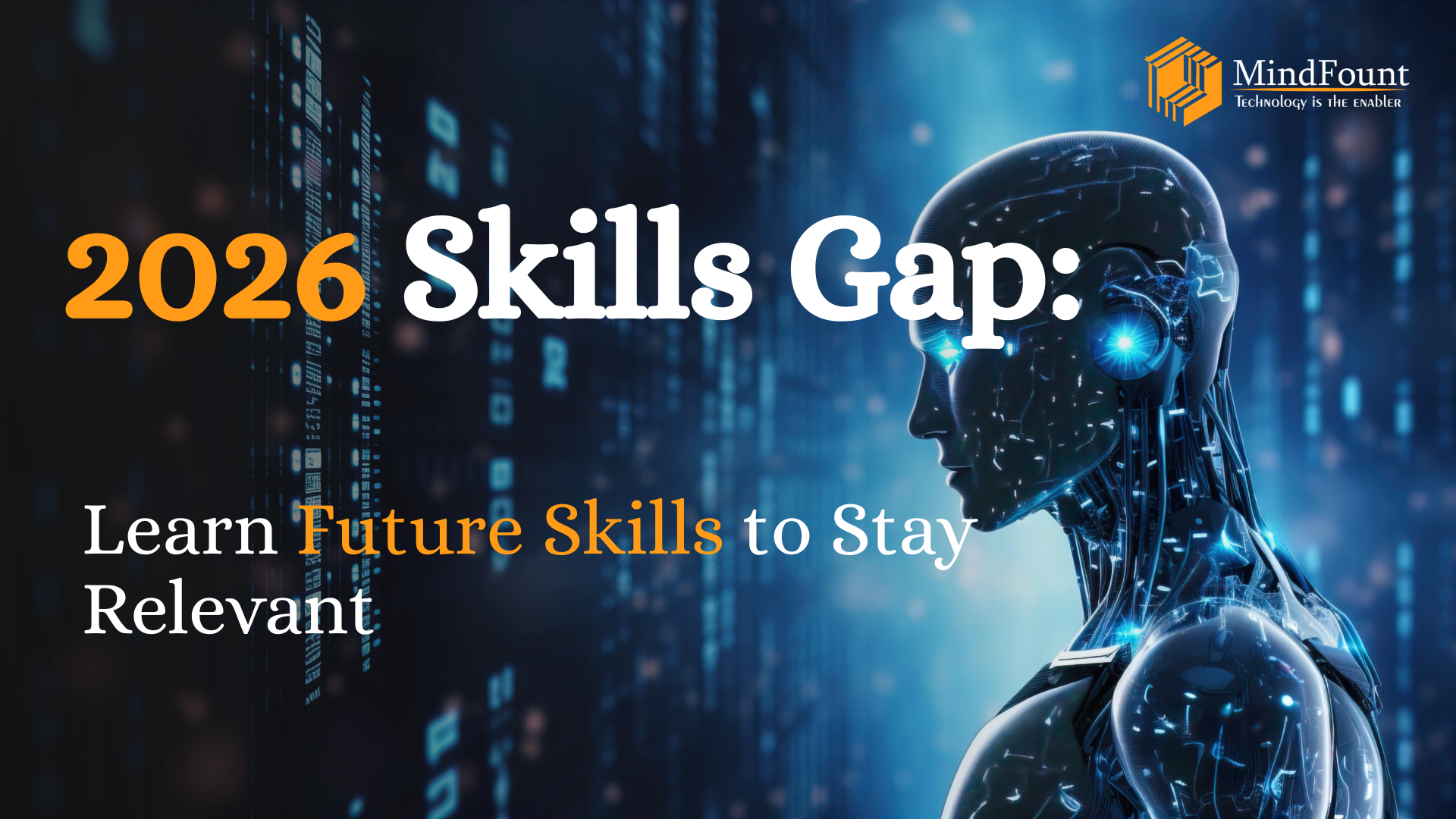
A notable transformation has been noted in workplaces recently because of the change in technology, business models and automation. This has led to the reshaping of the way people work everywhere. Judging by this fast-changing scenario, it is also essential to note that by 2026 majority of the traditional roles will either disappear or evolve. They will be replaced by new and better opportunities. Experts are perplexed that this shift can give birth to a skills gap. All professionals must upgrade their skills based on the new in demand skills. It is no longer an option but a necessity to prepare themselves for the future of work skills. If you are a professional and want to stay confident and employable even in the future the you need to start focusing on learning future skills.
Are you feeling confused?
Do not worry. We will help you understand the 2026 skills gap and also, give you advice on how to embark on the journey towards a successful long-term career.
What to Expect in this Blog
- What is the 2026 Skills Gap?
- Future Skills Are Today’s Concerns
- The Growth of In Demand Skills
- Essential Future of Work Skills
- Start Learning Today
- Lifelong Learning as the Real Power
- Frequently Asked Questions
What is the 2026 Skills Gap?
Before getting into the details of the 2026 Skills Gap, it is essential to know what is this skills gap that the modern-day professionals are all worried about. There are certain skills that the professionals possess but they are different from the set of skills that the employers are looking for. This difference is denoted as the skills gap which has increased steadily because of AI. Many of the old skills have become less useful or obsolete as digital tools and automation came into the market. Companies are desperately searching for professionals who are aware of future skills and modern work systems.
Various industries like healthcare, finance, education and technology have started relying more on professionals who have upgraded themselves with the change in 2026. It is a worrying fact for many professionals that their career growth will get stunted if they fail to update themselves as per the need of the job market. On the other hand, those who are learning and upgrading themselves based on the future skills are no doubt staying confident and ahead of their competitors.

Future Skills Are Today’s Concerns
With the advent of AI, all industries are going through the process of immediate changes and the professionals need to develop those future skills that will remain relevant to the changing industries for longer periods of time.
Future skills are abilities that will remain valuable even as the industries went through metamorphosis. Both technical and human focused skills need to be developed by the professionals to secure their future. Some of the future skills that are at the top of the priority list are Digital literacy, critical thinking, creativity, emotional intelligence, problem solving, adaptability.
There is a common misconception amongst people that AI is replacing human jobs but they are not correct. Every work needs human judgement and empathy and we cannot expect that from machines. Professionals who develop future skills can handle change better and create meaningful impact at work.
You need to start immediately instead of panicking if you are thinking of career stability. Even small learning efforts can lead to major improvements over time.

The Growth of In Demand Skills
In demand skills are something that changes every year and eventually causes tension in the job market. The job market is built on business needs and technological growth which is why the in demand skills keep on changing. In 2026, some of the in demand skills that you need to know about and develop are:
- Artificial intelligence awareness
- Cybersecurity basics
- Cloud technology
- Digital marketing
- Data analysis
- User experience design
Apart from the technical abilities there are other factors involved like communication and leadership. All of these together can make the in demand skills a complete package because employers are always looking for professionals who are good at managing people and projects efficiently.
The next vital question that will come to your mind is “Is it essential to learn the in demand skills?”
The simple answer to this is Yes. Developing the in demand skills will increase the chances of getting high paying jobs, promotions and also, job security. This is the right time to review your current abilities and plan your learning journey.
Essential Future of Work Skills
Since the job market is changing, the future workplace is also going through this process of transformation. It is becoming much more flexible and digital. The new normal includes everything starting from remote working facilities, to global team building and freelancing. To succeed, professionals need strong future of work skills.
Future of Work Skills to Develop:
- Virtual collaboration
- Time management
- Self-discipline
- Online communication
- Digital project planning
If you prepare yourself and learn these future of work skills, you will be able to work responsibly and also independently. In the modern workplaces, employers always value those
These future of work skills show that you can work independently and responsibly. Employers trust professionals who manage their time well and communicate clearly. Leadership roles are no longer simple. To understand the complexity of the modern leadership roles, professionals need to have a grasp over the future of work skills.

Start Learning Today
You must be thinking that learning about future skills is expensive and time consuming. Let us enlighten you a bit about that. Building future skills does not mean you need to spend a lot of money or leave your current job. You can start with very small and simple steps.
Steps to start small:
- Setting clear career goals
- Researching in demand skills
- Joining online courses
- Practicing through small projects
- Asking for feedback
After you are done with these, you can blend this with your daily routine for quick learning. Even thirty minutes a day can help you master future of work skills over time. If you wait for the right moment to come, you will keep on waiting and the opportunities will be gone. So, you need to start with what you have today.
Lifelong Learning as the Real Power
Learning is a process that goes on till one breathes his/ her last breath. It is said that there is no specific age for learning and all the lessons learnt throughout one’s life makes one a real educated person. This is true for professional growth as well. The more one learns from experiences, the better for the job market. It has been noted that people who continuously upgrade their future skills are more confident and adaptable. They adjust easily to new roles and technologies without any issues.
Lifelong learners do the following to keep themselves prepared and updated:
- Welcome innovation
- Explore new industries
- Build strong networks
- Stay motivated
By embracing lifelong learning, you make in demand skills a permanent part of your career strategy.
Consider enrolling in one new course this month. It may open unexpected doors.
Start learning today. Stay curious. Keep improving.
Explore reliable learning resources and take your first confident step toward a future ready career.
Frequently Asked Questions
1. What are future skills?
Future skills are abilities that remain valuable despite technological change. They include digital, creative, and interpersonal skills.
2. How do I find in demand skills?
You can study job listings, industry reports, and professional forums to identify in demand skills.
3. Are future of work skills useful in non technical fields?
Yes. Future of work skills are important in healthcare, education, finance, and creative industries.
4. How much time should I spend learning?
Thirty to sixty minutes daily is enough if you remain consistent.
5. Can working professionals learn new skills?
Yes. Many flexible learning programs are designed for full time professionals.